Joint replacement also known as arthroplasty is a surgical process in which surgeons remove and replace the damaged or injured joint with an artificial joint. This artificial joint is called a prosthesis and can be of plastic, metal or ceramic. The artificial joint looks similar to a natural joint and moves just like it.
A dermatologist is a medical doctor specializing in the diagnosis, treatment, and prevention of conditions affecting the skin, hair, and nails, covering thousands of diseases from acne and eczema to skin cancer, and also managing cosmetic concerns like scars and hair loss through medical and surgical procedures like biopsies, chemical peels, and laser therapy.
An ENT specialist, or Otolaryngologist, is a doctor who diagnoses and treats medical and surgical conditions of the ears, nose, throat, and related structures of the head and neck, handling issues like infections, hearing loss, sinus problems, allergies, dizziness, and voice disorders, using both medical treatments and surgery.
A gastrologist, more commonly known as a gastroenterologist, is a medical doctor who specializes in the digestive system (stomach, intestines, liver, pancreas, gallbladder) and its disorders, diagnosing and treating conditions like acid reflux, ulcers, IBS, IBD, and liver diseases, often using procedures like endoscopy.
While "gastrology" focuses specifically on the stomach, "gastroenterology" covers the entire GI tract from mouth to anus.
A General Medicine , or pain management center, offers specialized care for persistent, chronic pain using a multidisciplinary approach, combining medical treatments, physical therapy, and psychological support to improve quality of life, often focusing on conditions where traditional methods haven't worked, with procedures like ozone therapy or dry needling, and involving specialists like pain physicians, anesthesiologists, and physical therapists.
A General Surgeon is a versatile doctor specializing in a broad range of surgical procedures, primarily focusing on abdominal organs (stomach, liver, gallbladder, intestines), breast, skin, and hernia repairs, often using minimally invasive techniques like laparoscopy, and also managing trauma and critical care, acting as a primary surgical resource for various common conditions.
A gynaecologist is a medical doctor specializing in female reproductive health, diagnosing and treating conditions of the uterus, ovaries, vagina, and breasts, often also acting as an obstetrician for pregnancy and childbirth care, covering everything from routine checkups to complex diseases like cancer and infertility.
They manage various health concerns across different life stages, providing preventative care, managing infections, and guiding through pregnancy and postpartum.
A psychiatrist is a medical doctor (M.D. or D.O.) specializing in mental health, qualified to diagnose, treat, and prevent mental, emotional, and behavioral disorders, offering both psychotherapy and medication management, addressing the mind-body connection in conditions like depression, anxiety, bipolar disorder, and addiction.
They undergo extensive medical training (MBBS) plus specialized residency in psychiatry, distinguishing them from psychologists who focus solely on therapy.
A psychologist is a licensed mental health professional who specializes in understanding how people think, feel, and behave. They assess mental health through various techniques, including psychological assessments and psychotherapy, to help individuals navigate emotional challenges, mental health conditions, relationship struggles, and life’s stressors.
A neurologist is a medical doctor specializing in the diagnosis and treatment of disorders affecting the brain, spinal cord, and nerves (the nervous system).
They manage conditions like migraines, epilepsy, stroke, Parkinson's, Alzheimer's, multiple sclerosis, and nerve pain, using methods like physical exams, imaging (MRI, CT), and tests (EEG, EMG) to diagnose complex issues, but don't perform surgery, unlike neurosurgeons.
A General Physician (GP) is a primary care doctor who provides comprehensive, long-term healthcare for people of all ages, focusing on non-surgical treatment for a wide range of common illnesses, injuries, and chronic conditions, acting as the first point of contact in the healthcare system for overall wellness and referrals.
They diagnose, treat, and manage conditions affecting the whole body, from physical ailments like colds and sprains to mental health issues like anxiety and depression, building lasting patient relationships.
A cardiologist is a doctor specializing in diagnosing, treating, and preventing diseases of the heart and blood vessels (cardiovascular system), managing conditions like heart failure, coronary artery disease, arrhythmias, and hypertension, often through medication, lifestyle changes, or minimally invasive procedures, while cardiothoracic surgeons perform heart surgery.
You'd see one for symptoms like chest pain, shortness of breath, dizziness, or irregular heartbeats, and they use tests like ECGs, echoes, and angiograms to assess heart health.

Physiotherapy (or Physical Therapy/PT) is a healthcare profession focused on improving movement, function, and quality of life through physical approaches like exercise, manual therapy (massage, manipulation), patient education, and other physical modalities (heat, cold, electrical stimulation) to treat injuries, diseases, disabilities, and conditions affecting mobility, such as back pain, sports injuries, arthritis, stroke, and heart/lung issues.

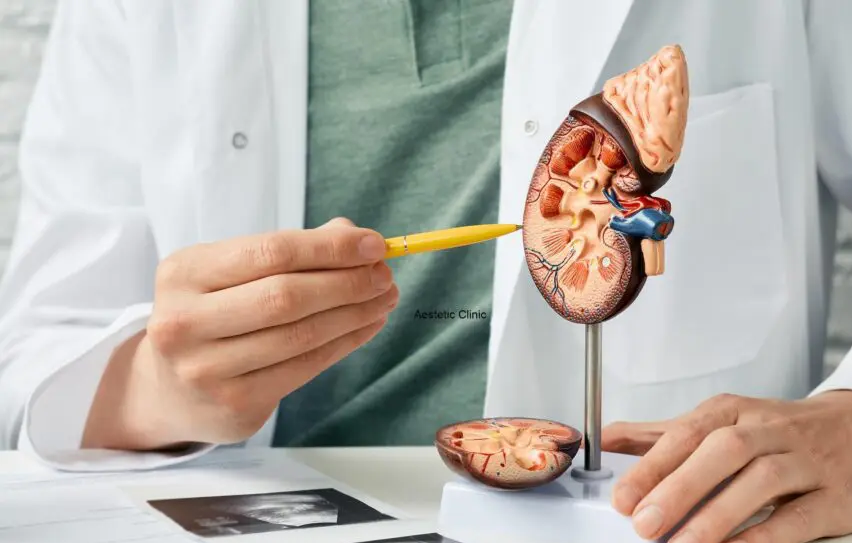
A urologist is a surgeon specializing in the urinary tract (kidneys, bladder, ureters, urethra) for both men and women, and the male reproductive system (prostate, testes, penis).
They diagnose and treat conditions like kidney stones, urinary tract infections (UTIs), incontinence, prostate issues, erectile dysfunction, and infertility, using medical management and surgery.

When we started Kushwaha Clinic our mission was clear: to bring quality, accessible, and compassionate care closer to every individual and family we serve.